As the world shifts towards more sustainable energy solutions, district heating systems are emerging as a key player in reducing carbon emissions and improving energy efficiency. Traditionally, these systems rely on conventional sources like combined heat and power (CHP) plants, biomass, and natural gas. However, a new trend is gaining momentum in the sector: the utilisation of sources that provide a surplus heat or waste heat. These often-overlooked or unusual sources of waste heat are proving to be valuable assets in creating low-carbon, efficient district heating networks.
These innovative approaches are being integrated into the latest generation of district heating networks, known as 5th generation district heating and cooling (5GDHC). But to fully appreciate the potential of 5GDHC, it’s important to understand how district heating has evolved through its different generations.
District heating has evolved significantly over the past century, moving from basic steam-based systems to highly efficient, low-temperature networks. The system’s progression is typically divided into generations, each marked by technological advancements and shifts in energy sources.
The Evolution of District Heating: A Brief Overview
Steam Networks to High-Temperature Water
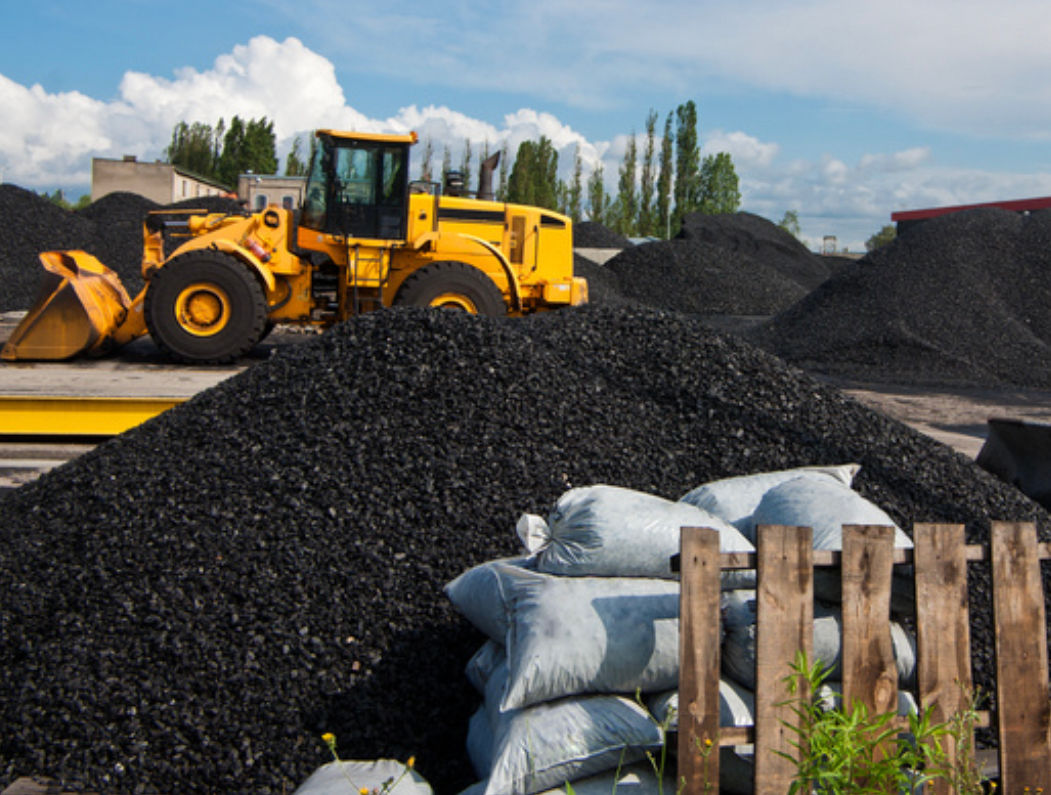
The first generation of district heating, introduced in the late 19th century, used steam as the primary heat carrier but was inefficient due to high heat loss during transmission. Powered by coal, these systems contributed significantly to carbon emissions. In the mid-20th century, the second generation emerged, shifting from steam to high-temperature water (120-150°C), which reduced heat losses and improved efficiency. While coal was still used, oil and natural gas started to replace it, offering a slightly better environmental impact. However, fossil fuels continued to dominate, limiting long-term sustainability.
Medium-temperature water
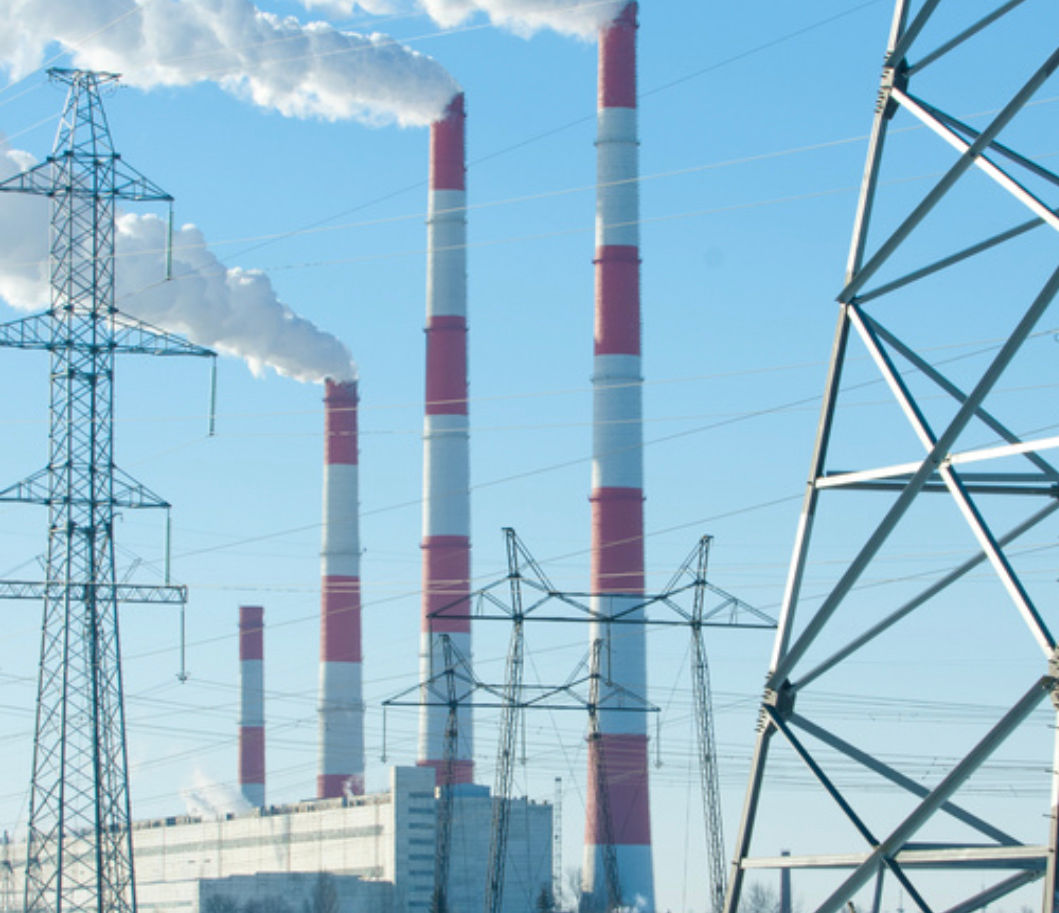
In the late 20th century, district heating transitioned to medium-temperature water networks (70-100°C), defining the third generation. This period saw significant improvements in energy efficiency, partly due to the integration of combined heat and power (CHP) plants. CHP allowed the simultaneous generation of heat and electricity, making these systems more efficient and reducing reliance on fossil fuels. Third-generation networks also started to incorporate renewable energy sources and waste heat from industrial processes, representing a crucial step towards sustainability.
Low-temperature and renewable integration
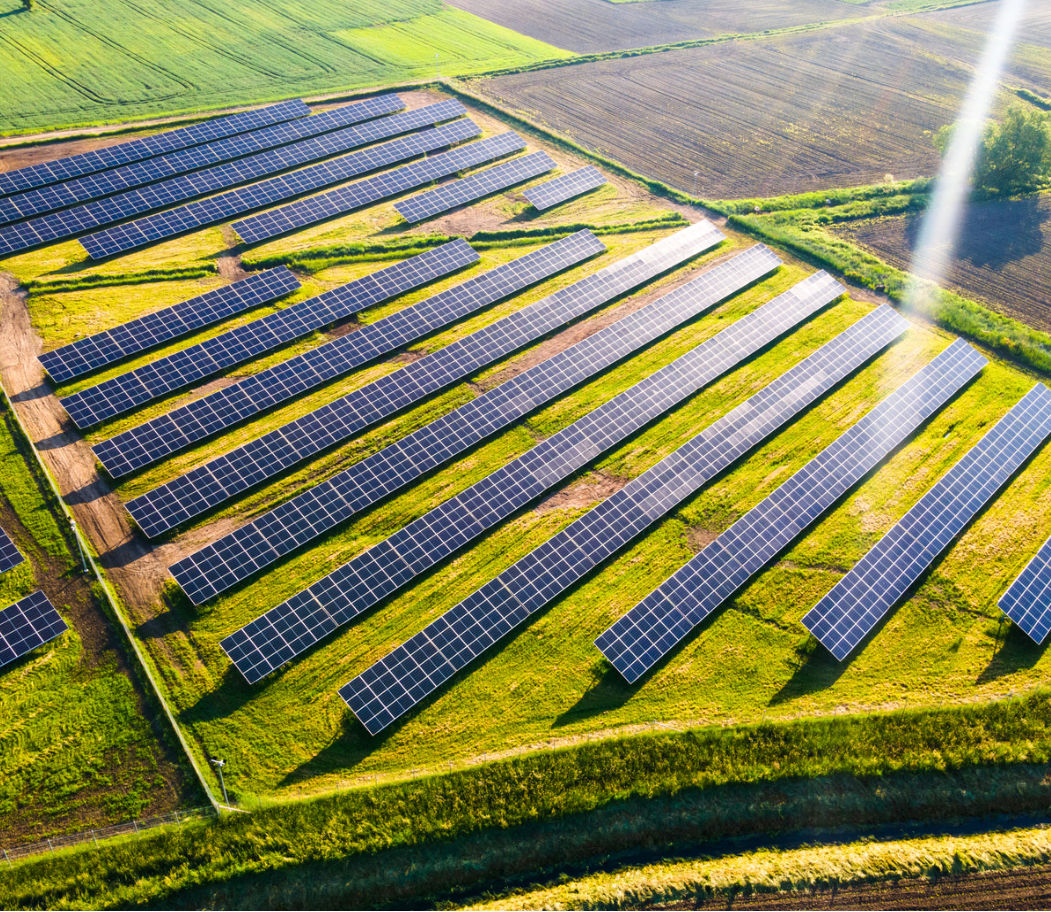
The fourth generation, which emerged in the early 21st century, lowered operating temperatures even further, with networks running on water heated to 50-70°C. These low-temperature systems are designed to integrate a wide range of renewable energy sources, including solar thermal, geothermal, and waste heat from industrial and commercial processes. Fourth-generation systems are more flexible and better equipped to meet the demands of a decarbonised energy landscape, offering greater efficiency and enabling the use of local, sustainable heat sources.
Ultra-low temperature and ambient heat networks

The most recent innovation is the 5th generation of district heating and cooling (5GDHC) systems. These networks operate at ultra-low temperatures (20-50°C), utilising ambient heat sources that were previously inaccessible to higher-temperature systems. 5GDHC networks are characterised by their ability to exploit low-temperature heat from sources such as data centres, wastewater, and geothermal energy. This generation represents a leap forward in flexibility, efficiency, and sustainability, aligning with the goals of carbon neutrality and resilient urban energy systems.
The Trend of Low-Temperature District Heating Grids
One of the most significant shifts in district heating today is the move towards low-temperature heating grids. By operating at lower temperatures, these grids can reduce heat losses, increase efficiency, and integrate a wider range of heat sources, including those that would traditionally be considered too low-grade for effective use. This trend is not only about improving existing systems but also about rethinking how and where we source heat.
The Benefits of Using Waste Heat Sources
Incorporating these heat sources into district heating systems are manifold:
Increased Efficiency: By using waste heat that would otherwise be lost, we can make our heating systems more efficient and reduce the overall energy demand.
Cost Savings: Utilising waste heat can lower the operational costs of district heating systems, which can translate into lower heating bills for consumers.
Reduced Carbon Emissions: By replacing or supplementing traditional fossil fuel sources with waste heat, district heating networks can significantly reduce their carbon footprint.
Enhanced Resilience: Diversifying the sources of heat within a district heating system can make the entire network more resilient to supply disruptions and fluctuations in fuel prices.